What Should You Do if Your Hearing Aid Gets Wet
If you have ever been caught on the Big Four Bridge or out at Thunder Over

By: admin | June 25, 2026
A hearing aid can be doing its job and still be hard to wear if something feels off.
Maybe one side starts itching after a few hours. Maybe there is pressure in the same spot every afternoon. Maybe you take the device out for a quick break when you get home and realize later that you never put it back in.
Those small annoyances have a way of adding up. It’s hard to get the full benefit of your hearing aids when you’re constantly adjusting them or thinking about them throughout the day.
Whether you’re walking the Big Four Bridge or heading into Louisville for the day, uncomfortable hearing aids can become a distraction. You may find yourself wearing them less often as a result.
Fortunately, itching, irritation and pressure are usually signs of a specific issue that can be corrected. In many cases, a small adjustment can make a noticeable difference in comfort.
Putting a new device in your ear canal feels unusual at first because your body naturally reacts to a foreign object.
During the first week, the skin inside your ear might feel slightly sensitive, itchy or full. This is a completely normal reaction as your body gets used to the physical presence of the hearing aids.
Moving into the second week, your brain begins to filter out those background noises that felt overwhelming initially. You will start to feel more comfortable wearing the devices for longer periods throughout the day.
It takes time for your mind to recognize which sounds to focus on and which ones to ignore. This phase helps you get closer to the ultimate benefit of hearing clearly in a crowd without feeling exhausted by the end of the day.
By the third week, hearing aids often feel less noticeable than they did at first. Many people settle into a routine and spend less time thinking about the devices themselves.
You may also feel more comfortable following conversations and everyday sounds. If the hearing aids still feel uncomfortable or continue to irritate your ears, it’s a good idea to bring it up with your hearing specialist.
Most hearing aids are made from materials like acrylic or silicone, and most people never have a problem with them. For some people, though, the material that sits against the skin all day can lead to itching, irritation or general discomfort.
Moisture can sometimes make those issues worse, especially if it becomes trapped between the hearing aid and your skin. In some cases, switching to a hypoallergenic option is enough to solve the problem.
True allergic reactions to these materials are rare, but they do happen and require quick attention. You should monitor your ears for severe itching, significant swelling or a sudden rash right where the device rests against your skin.
In more intense cases, you might notice small blisters, flaking skin or a distinct burning sensation that does not go away when you take the device out.
A proper fit is essential because the ear canal is incredibly sensitive to movement. Even a tiny variance of a single millimeter can cause a hearing device to shift out of place throughout the day.
This constant shifting creates mechanical friction against the delicate lining of your ear. Over several hours, that continuous rubbing results in microscopic abrasions and sore spots.
These tiny scratches often cause itching and redness that feel exactly like an allergic reaction or a skin rash. People frequently blame the plastic or silicone materials when the actual culprit is just simple physical rubbing.
When a device sits securely without moving, your skin stays healthy and irritation-free. Getting the shape adjusted perfectly eliminates this movement and allows you to wear your devices all day without a single thought.
Living in the Ohio River Valley means dealing with heavy summer humidity that hits you the moment you step outside. When you spend a Saturday morning walking around the Jeffersonville Farmers Market, the muggy air quickly causes you to break a sweat.
Wearing a hearing device blocks the normal airflow into your ear canal and creates a tight seal. That seal traps environmental moisture and sweat directly against your skin instead of letting it evaporate naturally.
Constant exposure to this trapped dampness softens the delicate lining inside your ear canal. This softened skin becomes highly vulnerable to friction and gets easily irritated by the device.
You might notice a deep itch or a raw feeling after a few hours of browsing the outdoor vendor booths. Wiping your ears completely dry after being out in the heat helps restore the natural barrier of your skin.
Taking care of your hearing aids requires the right tools to protect both the delicate plastics and your sensitive skin. Many people grab whatever sanitizing supplies they have nearby without realizing those products might leave an irritating residue.
That leftover film sits directly against your ear canal and often triggers intense itching or uncomfortable redness. Relying on gentle methods extends the life of your devices while protecting your ears from chemical reactions.
Keep these simple dos and don’ts in mind when establishing your daily cleaning routine:
Dealing with an active, burning itch inside your ear can make wearing your hearing devices incredibly frustrating. While consistent hearing aid use is important, irritated skin may need a short break.
Giving your ears short breaks throughout the day allows inflamed tissue to heal without disrupting your overall listening routine. Try these safe home remedies to calm active skin irritation quickly:
When you first notice an annoying itch, it is easy to assume the new device is the direct cause of the trouble. However, placing a mold or dome inside your ear canal naturally alters the environment inside.
Sometimes the culprit is earwax. Hearing aids can make it harder for wax to move out of the ear naturally, which may lead to build-up over time. For some people, that buildup causes itching, irritation or a feeling of fullness in the ear.
Other times, the device simply aggravates a mild skin condition that was already present before you started wearing it. Common dermatological issues like eczema or psoriasis can flare up inside the canal when airflow is restricted.
The lack of ventilation creates a warm environment that causes these dry skin conditions to become highly irritated. Distinguishing between a simple adjustment period and an actual medical skin issue helps determine the right steps for finding relief.
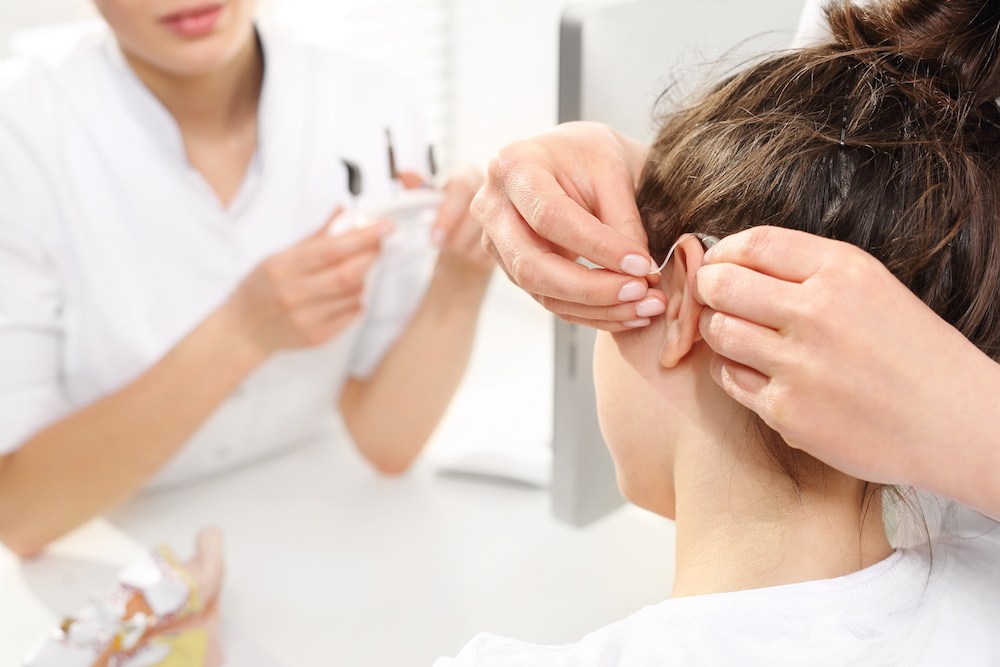
If your ears continue to feel sore or itchy after trying home care remedies, a professional comfort check is the next step. When you visit the office, the specialist looks closely at your ear canal using a special light to check for any redness or irritation.
They will evaluate exactly how the device rests inside your ear to see if it is pressing too tightly against the sensitive skin. This inspection helps pinpoint the exact spot causing the trouble.
Once the specialist finds the problem area, they can make physical modifications right in the office. For a custom mold, they often use a precise grinding tool to safely buff down a tiny high spot that is rubbing your skin.
If you wear a standard device, they might simply switch out the flexible dome to a different size or shape that matches your ear better. They can also look into swapping the materials entirely if your skin requires a different option.
Itching, irritation and pressure may seem like small issues, but they’re often the reason hearing aids end up being worn less than they should be. If you’re wearing your hearing aids less because they’re uncomfortable, don’t ignore it.
Most comfort issues have a cause, and many can be addressed with a simple adjustment or change in fit. If your hearing aids haven’t felt quite right lately, contact Conn Hearing in Jeffersonville, IN at (812) 561-2011.
A quick appointment may be all it takes to make them easier to wear from morning to night.
If you have ever been caught on the Big Four Bridge or out at Thunder Over
By: admin | July 26, 2026
A hearing aid can be doing its job and still be hard to wear if something
By: admin | June 25, 2026

Mild ear discomfort is something most people experience at some point,
By: admin | January 19, 2026